
Code Meets Recipes: The Sweet Connection Between Web Development and Coffee Cake
Imagine sitting down to a warm slice of coffee cake, the crumbly streusel topping perfectly balanced with a moist, flavorful base. Now, think of building a website with HTML, CSS, and JavaScript. At first glance, these might seem like unrelated experiences, but creating a great breakfast cake and crafting a stunning web page have a lot in common.
HTML: The Cake Base
Every cake begins with a solid foundation—a combination of flour, sugar, eggs, and butter. Similarly, HTML is the backbone of any web page, providing the structure and essential elements. Without a reliable base, your coffee cake crumbles, and without solid HTML, your website falls apart.
In both cases, simplicity is key. A straightforward recipe ensures a light and fluffy cake, just as clean, semantic HTML ensures an accessible and functional web page.
CSS: The Streusel Topping
The streusel topping is what makes a coffee cake special. It adds texture, sweetness, and visual appeal, much like CSS brings style and personality to your website. From golden brown crumbs to delicate powdered sugar dusting, the topping transforms a humble cake into a masterpiece.
In web development, CSS is your design toolset. Whether you’re layering gradients, crafting smooth transitions, or aligning layouts, it’s all about adding that extra flair—making your site not just functional but delightful to interact with.
JavaScript: The Cinnamon Swirl
What’s a coffee cake without a rich cinnamon swirl baked right into the batter? It brings complexity, surprise, and that irresistible aroma. JavaScript plays a similar role in web development, adding interactivity and dynamic behavior.
With JavaScript, a static page becomes a living, breathing experience. Whether it’s a smoothly animated dropdown menu, a dynamic form validation, or an interactive game, JavaScript gives your website the spark that keeps users engaged.
The Recipe for Success
Just as a perfect coffee cake requires balance—too much sugar overwhelms, and too little butter leaves it dry—web development thrives on harmony between HTML, CSS, and JavaScript. Each ingredient has its role, and when combined thoughtfully, they create something greater than the sum of their parts.
Why It Matters
Both baking and web development are acts of creation. They require attention to detail, a willingness to experiment, and a passion for delighting others. A great breakfast cake and a well-designed website both leave a lasting impression, whether it’s on the taste buds or the eyes.
So next time you’re debugging a layout issue or whisking together cake batter, remember: you’re crafting something meaningful. And whether it’s a perfect slice of coffee cake or a beautifully responsive website, the joy is in the process—and, of course, the result.
Now go ahead, bake something delicious, or build something amazing. Or better yet, do both!
Coffee Cake Recipe
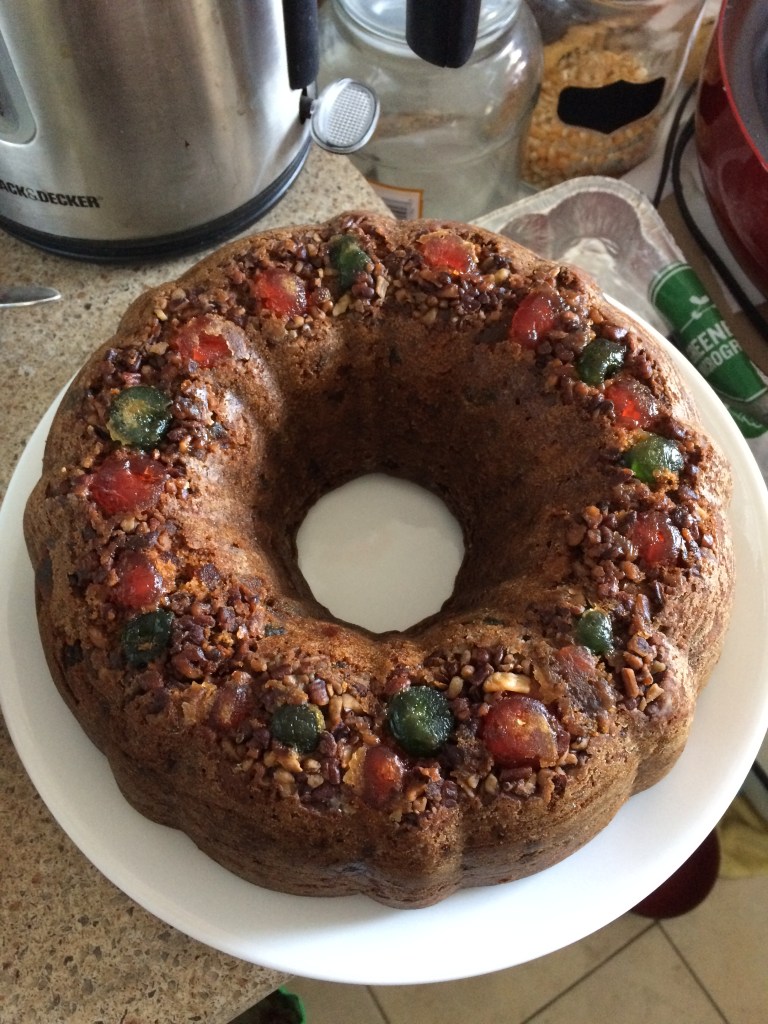
1Cup Unsalted butter, softened 1 1/4Cups of Granulated sugar 2 Large Eggs 1Cup Sour cream 1tsp Vanilla 2Cups All-purpose Flour 1tsp Baking Powder 1/2tsp Baking Soda 1/4tsp Salt 1Cup Candied Fruit(optional) Topping 1/2Cup Brown Sugar 2tsp Cinnamon, 1Cup Pecans (optional) Candied Cherries
Photo (optional) Candied Cherries
Directions
Prepare Your Pan:
Grease a 10-inch Bundt pan, tube pan, or Bundt muffin tins—use whatever you have available.
Preheat Oven:
Preheat your oven to 350°F (180°C).
Make the Topping:
In a small bowl, mix together:
- 1 cup brown sugar
- 2 teaspoons cinnamon
- 1/2 cup chopped pecans (optional)
- Prepare the Batter:
- Cream together 1 cup (2 sticks) of softened butter and 1 1/2 cups sugar until light and fluffy, about 5–8 minutes.
- Add 4 eggs, one at a time, beating well after each addition.
- Mix in 1 cup sour cream and 2 teaspoons vanilla extract until smooth.
- Sift together 3 cups flour, 1 teaspoon baking powder, 1 teaspoon baking soda, and 1/2 teaspoon salt. Gradually add the dry ingredients to the wet mixture, mixing just until combined. Do not overmix.
- Assemble the Cake:
- If using a Bundt or tube pan:
- Sprinkle half the topping mixture into the bottom of the greased pan.
- Pour in half the batter.
- Sprinkle the remaining topping over the batter.
- Add the rest of the batter on top, spreading it evenly.
- If using muffin tins springform pan or a regular cake pan:
- Alternate layers of batter and topping, starting and ending with the topping .
- Bake:
- Bake the Bundt or tube pan for 45 minutes, or until a toothpick inserted into the center comes out clean.
- If using muffin tins or a cake pan, bake for about 20–25 minutes, checking for doneness.
- Cool and Serve:
Let the cake cool in the pan for 20-25 minutes before turning it out onto a plate. Enjoy!
 Sweet Marie's Dev
Leave a comment